
Django Reinhardt – DIAL 214 – 45 RPM
110,00 €
Django Reinhardt – DIAL 214 – 45 RPM
110,00 €
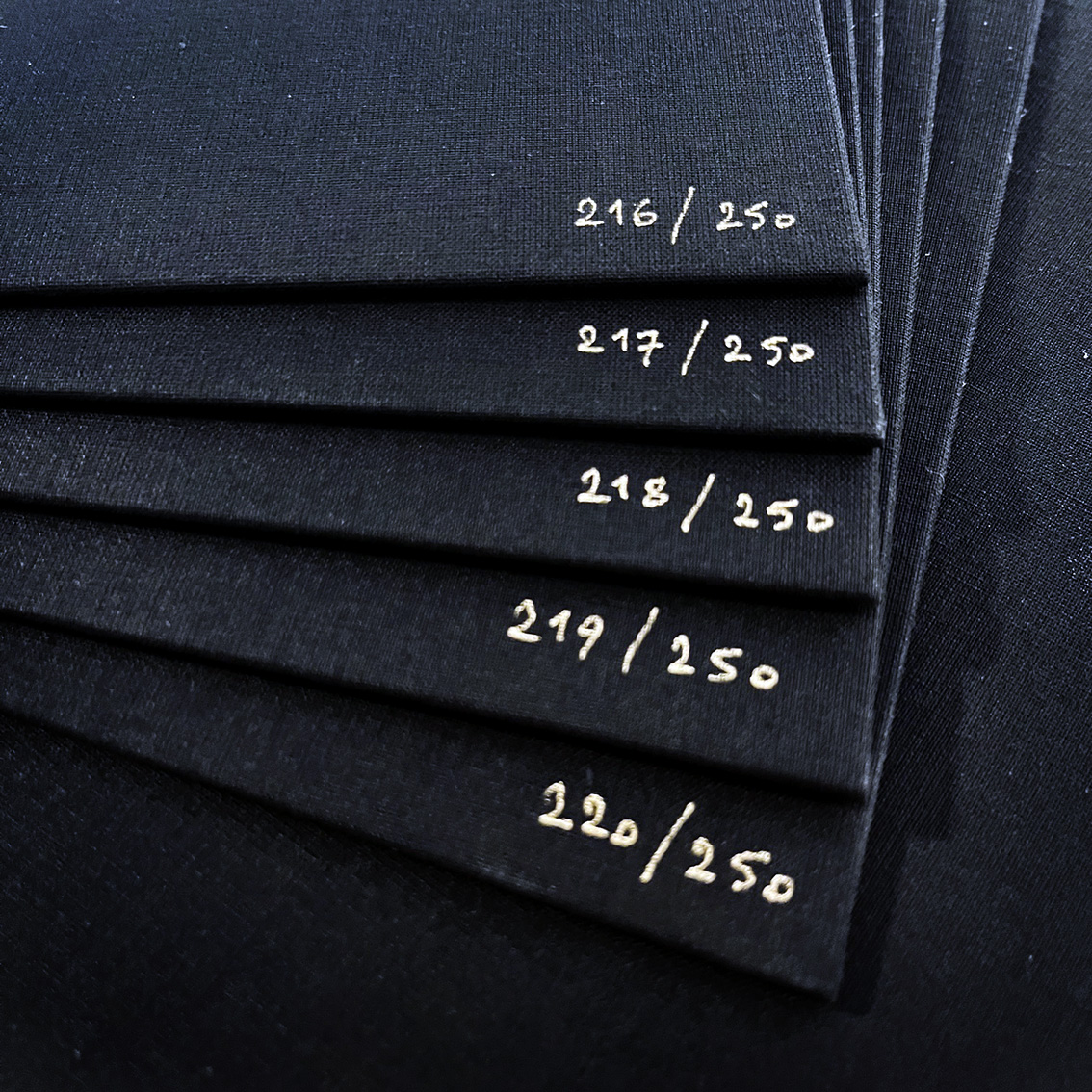
– 250 copies available online only –
Sam Records/Saga are very excited to announce the 8th release of their ARTISAN series :
DJANGO REINHARDT – DIAL 214
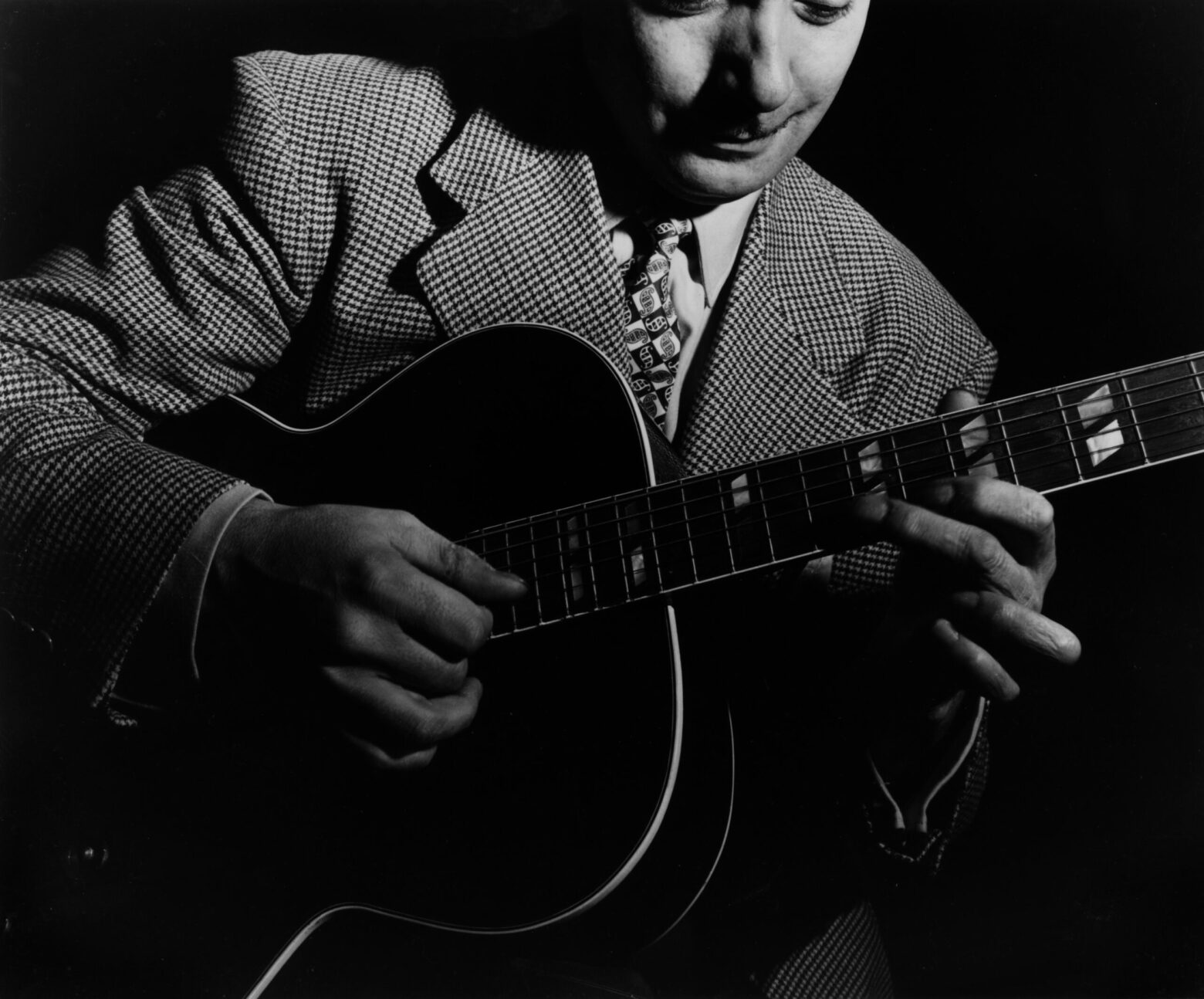
The year 1947 was a major turning point in the career of Django Reinhardt. It was one of his most productive and important years, marked by numerous recordings, radio performances, and studio sessions produced by Eddie Barclay.
After World War II, Django reunited with his former musical partner Stéphane Grappelli and continued to enjoy great success in France, particularly with his famous composition “Nuages.” However, his musical direction changed significantly after discovering American bebop through recordings by Charlie Parker and Dizzy Gillespie. The speed, complexity, and innovation of this new style deeply impressed him. Thus Django gathered a new Quintette du Hot Club de France, featuring clarinet player Hubert Rostaing and a drummer: a line-up somehow close to famous American swing bands such as Benny Goodman’s small groups.
In late 1946, Django accepted an invitation from Duke Ellington to tour the United States. Django performed in 22 cities, appeared at the famous Carnegie Hall, and earned admiration from leading American musicians, including Les Paul. The tour also introduced him more fully to the electric guitar. Playing a Gibson ES-300, Django discovered new sounds and techniques that expanded his musical possibilities and influenced his later work. Despite personal difficulties such as language barriers, homesickness, and unmet expectations, Django returned to France in February 1947 profoundly inspired by what he had experienced in America. His exposure to bebop and electric guitar transformed his musical vision, making 1947 a decisive year in his artistic development.
The Blue Star sessions / Dial reissues
Thanks to the artistic freedom granted by Eddie Barclay, Django was able to choose his own repertoire, which included original compositions, jazz standards, and arrangements of folk melodies. This selection highlights Django’s ability to transform existing songs into highly personal interpretations. Tracks such as “Anniversary Song” and “I’ll Never Smile Again” showcase his virtuosity, emotional depth, and innovative melodic ideas. His versions of standards like “Night and Day” and “Brazil” also reveal his growing interest in bebop.
These sessions also include several blues tunes. Although some American guitarists questioned Django’s approach to the blues, he developed a highly original style that later influenced musicians such as B.B. King, who praised Django’s amplified guitar tone and use of chromatic lines.
More broadly, these recordings represent an important moment in jazz history. Django is portrayed as a musician bridging the gap between the swing era and the emerging bebop movement. Like Charlie Christian, he helped redefine the role of the guitar in modern jazz, but with a distinctive personality and artistic vision.
Overall, the 1947 Blue Star sessions demonstrate Django Reinhardt’s ability to embrace musical innovation while remaining true to his artistic identity, reinforcing his reputation as one of the most influential and forward-thinking figures in jazz history.
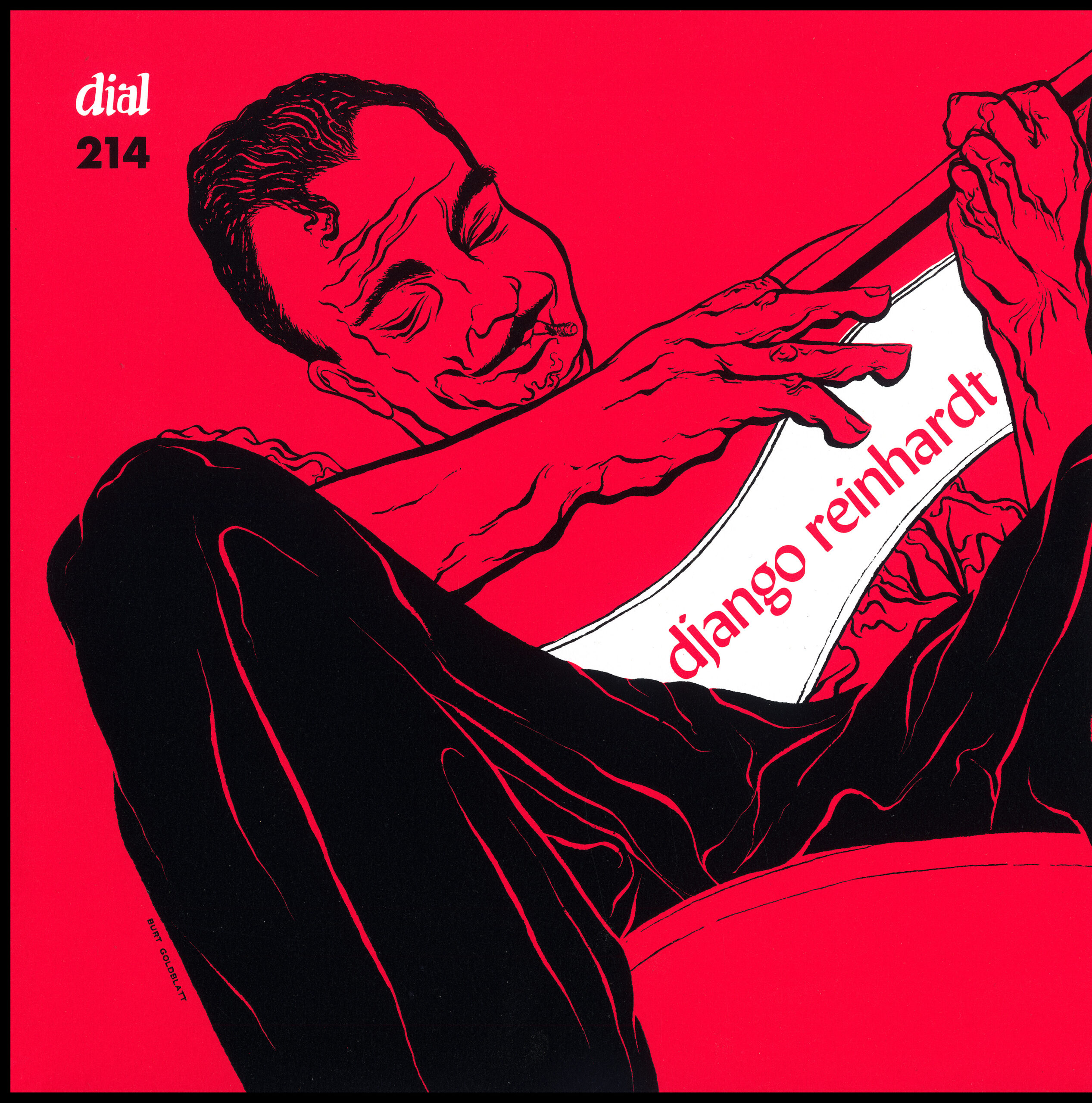
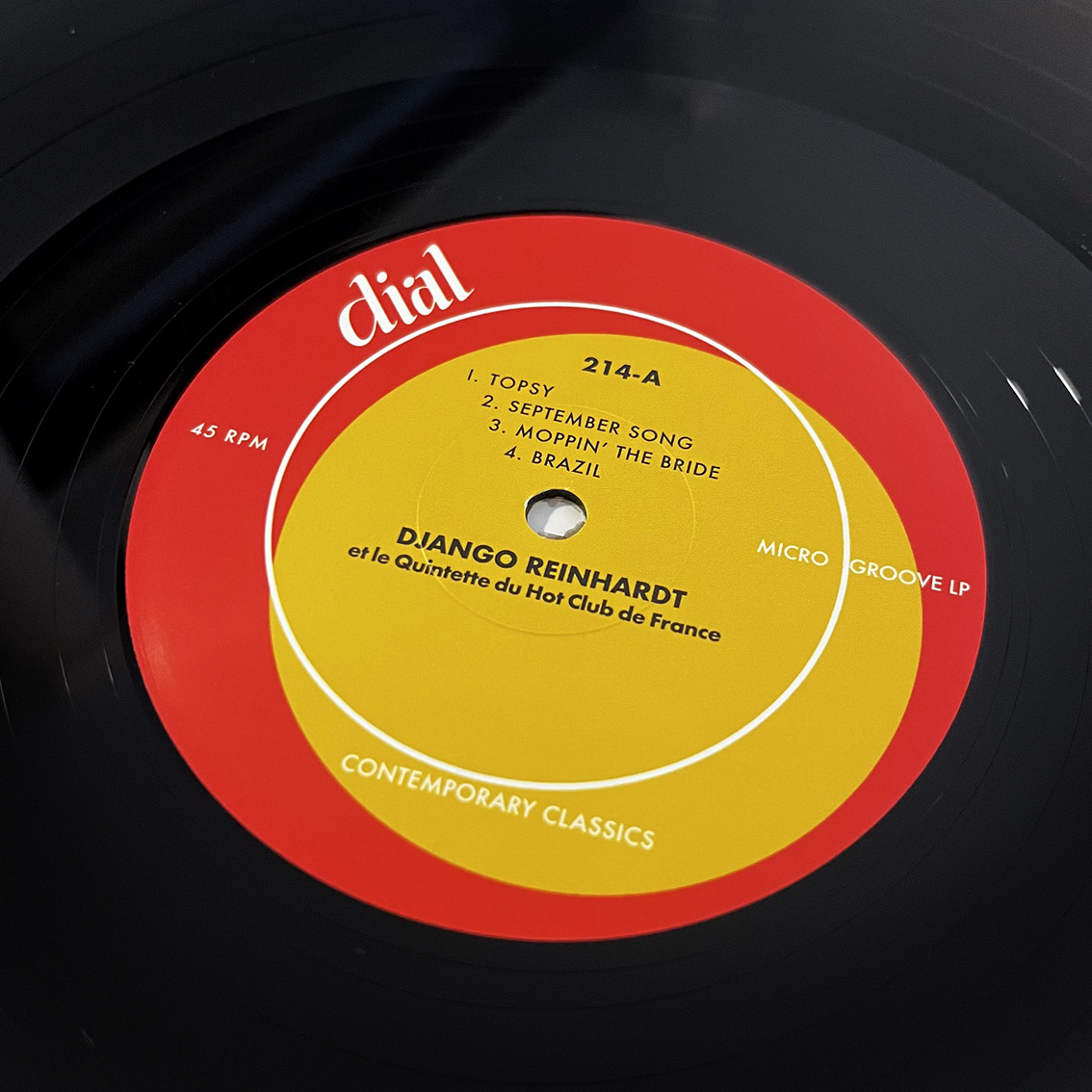
VOLUME ONE / Dial 214
Brazil :
Anniversary Song :
Django’s Blues :
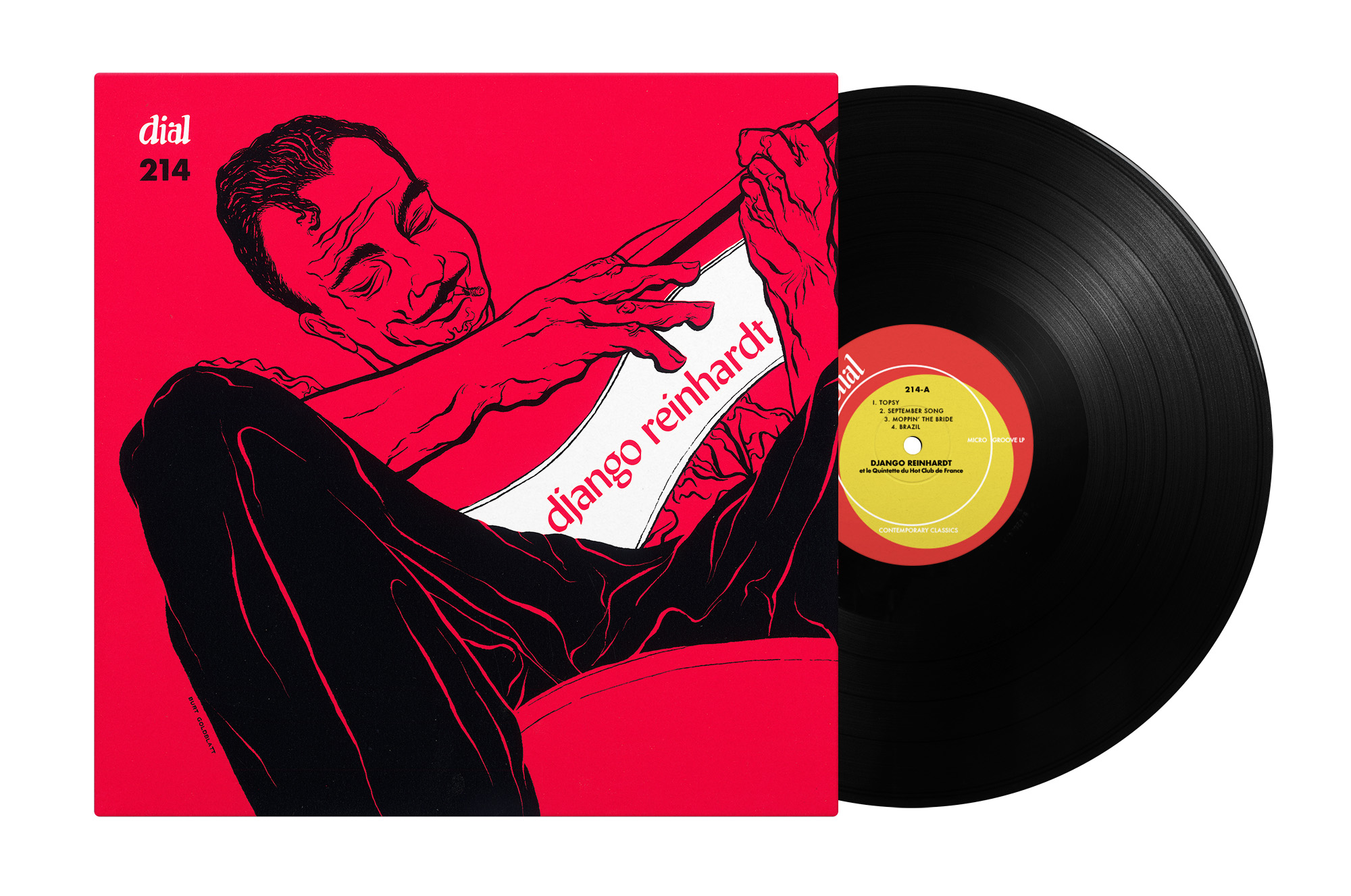
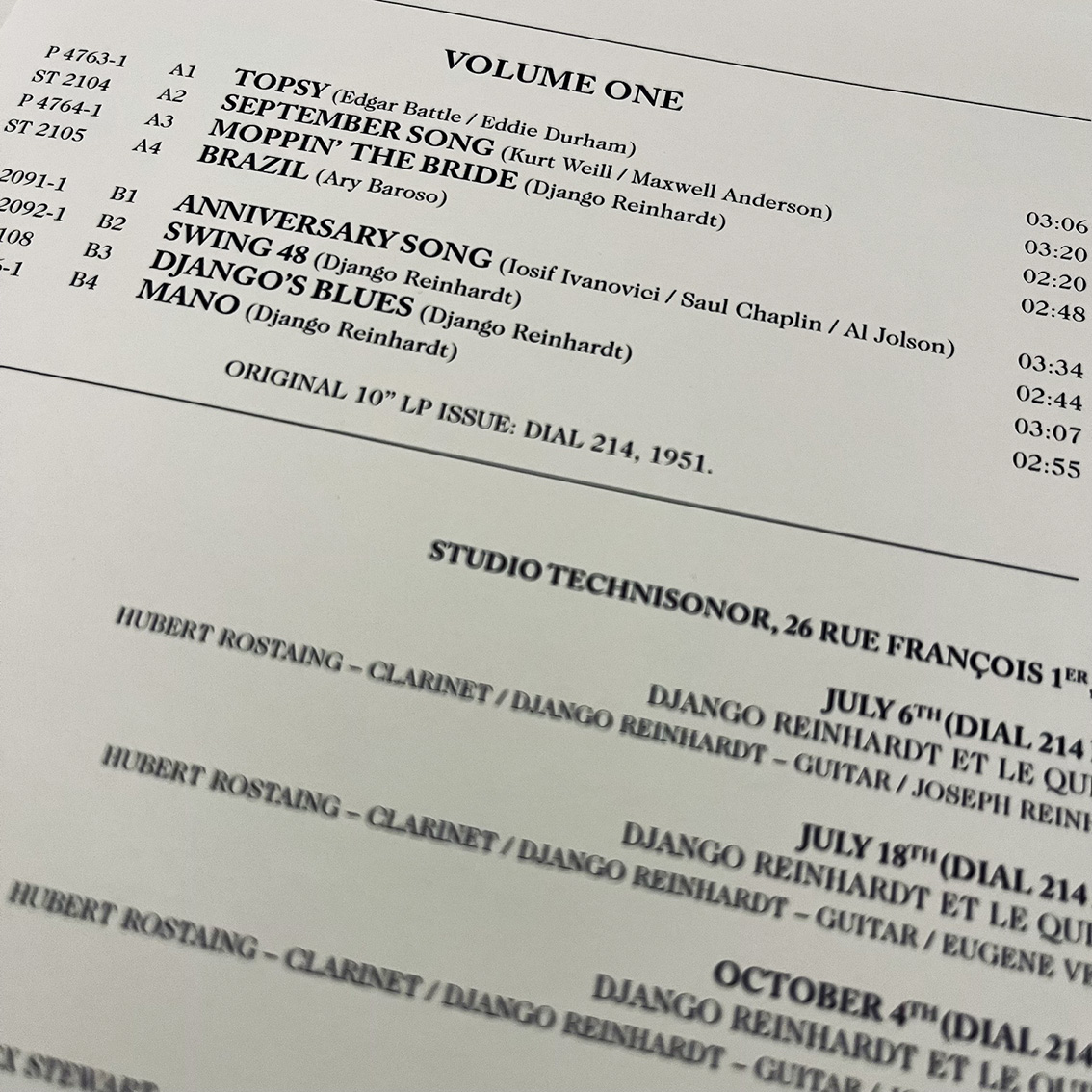
Side A
- Topsy (Edgar Battle / Eddie Durham) 03:06
- September Song (Kurt Weill / Maxwell Anderson) 03:20
- Moppin’ The Bride (Django Reinhardt) 02:20
- Brazil (Ary Baroso) 02:48
Side B
- Anniversary Song (Iosif Ivanovici / Saul Chaplin / Al Jolson) 03:34
- Swing 48 (Django Reinhardt) 02:44
- Django’s Blues (Django Reinhardt) 03:07
- Mano (Django Reinhardt) 02:55
In order to optimise the sound quality of these reissues, we have patiently collected the best reproduction sources currently available. We would like to express our warmest thanks to Guillaume Lesigne and La Discothèque de Radio France for their help in this task.
Every effort has been made to preserve the integrity of the original analogue recordings. The listener should be aware, however that these transfers from shellac discs contain imperfection inherent of the recording and techniques of that time.
Special thanks: Guillaume Lesigne, Virginie Vincienne, Thomas Henry, Guillaume Dambier, Daniel Richard, Karen Boe, Susan Mercier.
180g 12’’ LP / 45-RPM.
Strickly limited edition of 250 copies, hand-numbered.
Original recordings supervised by Hugues Panassié for Blue Star, except “Blues clair” produced by Swing.
78-rpm transfers by Christophe Hénault, Art et Son Studio.
Audio restoration and mastering by François Lê Xuân.
Lacquers cut by Marie Pieprzownik, Translab.
180 gr vinyl pressed in Marciac, France by Les Disques Garcia.
Original illustration by Burt Goldblatt, manually screen printed by Stéphane Constant.
6-page booklet with photos, release coordination and liner notes by Michel Mercier.
Reissue produced by François Lê Xuân and Frédéric Thomas for Sam Records/Saga.
Each record has been visually checked to prevent defects.
77 in stock
Additional information
| Weight | 600 g |
|---|---|
| Dimensions | 30 × 30 × 3 cm |


Reviews
There are no reviews yet.